Lightning is besides hurricanes one of the nightmares of sailors. A strike, even just in the water or a boat near you, can break the sensitive electronics on a boat.
There are ways to limit the risks. We for example disconnect the antenna’s for the VHF (marifone), AIS (to send our position) and the radio when we leave the boat. We put jumper cables from the rigging into the water. Al loose electronics (laptop tablets (spare-) phones we put in the microwave oven as this functions as a cage of faraday.
Bus still this time it was our turn to get hit. Following a very severe thunderstorm, the screen of the plotter showed no data.
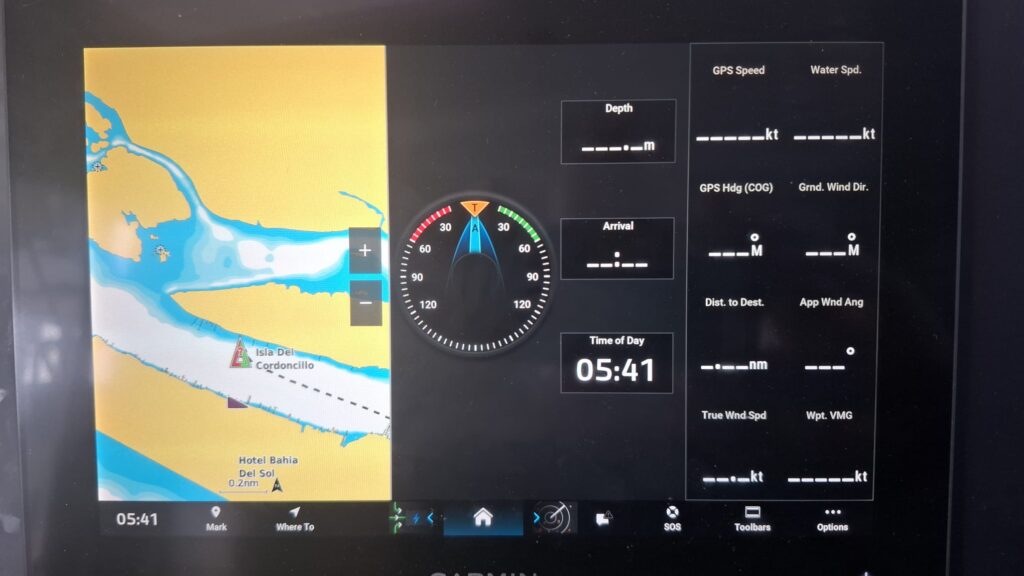
So then the search starts on what actually has been fried by the enormous currents. And also log the search for in the case it has to be send to the insurer. Then buy the electronics, get it to the boat and then install it. As we are in El Salvador with no maritime shops and expert mechanics this is the example of the definition of sailing: Fixing things in exotic places.
The search for what exactly is broken
Without expert knowledge available to analyze the issue(s), this is where AI is of great help. To give an idea on how this looks we logged the detailed nerdy steps
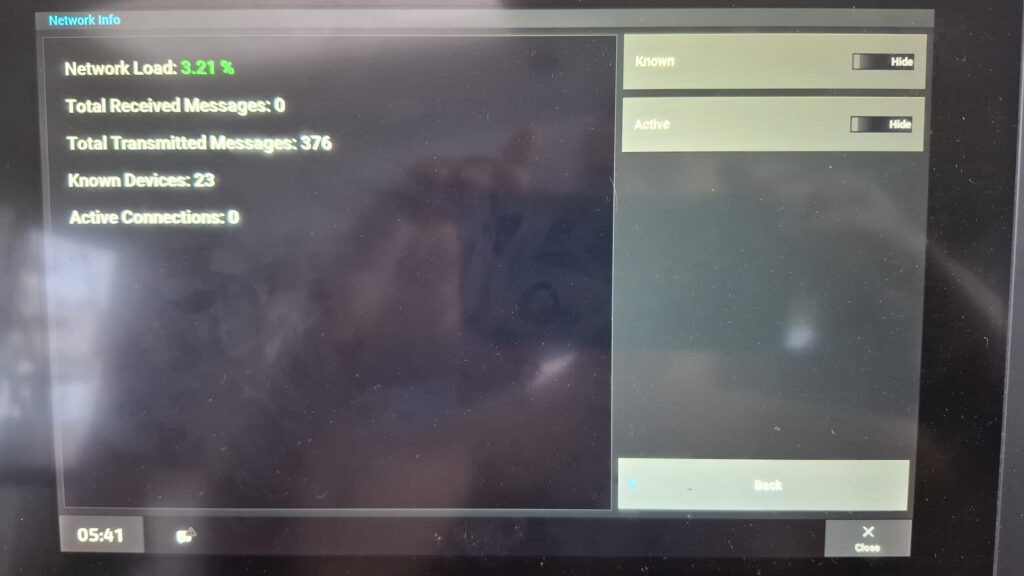
The first chech is the NMEA network (this is the maritime network where all instruments talk to eachother). It shows it is not receiving any messages
Maybe the power supply of the network is broken? No, it has power
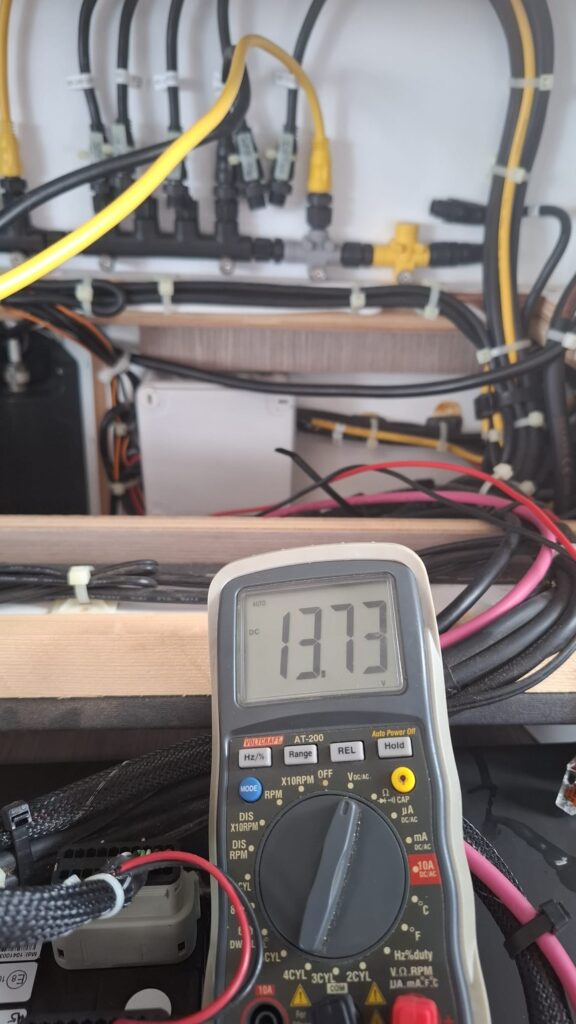
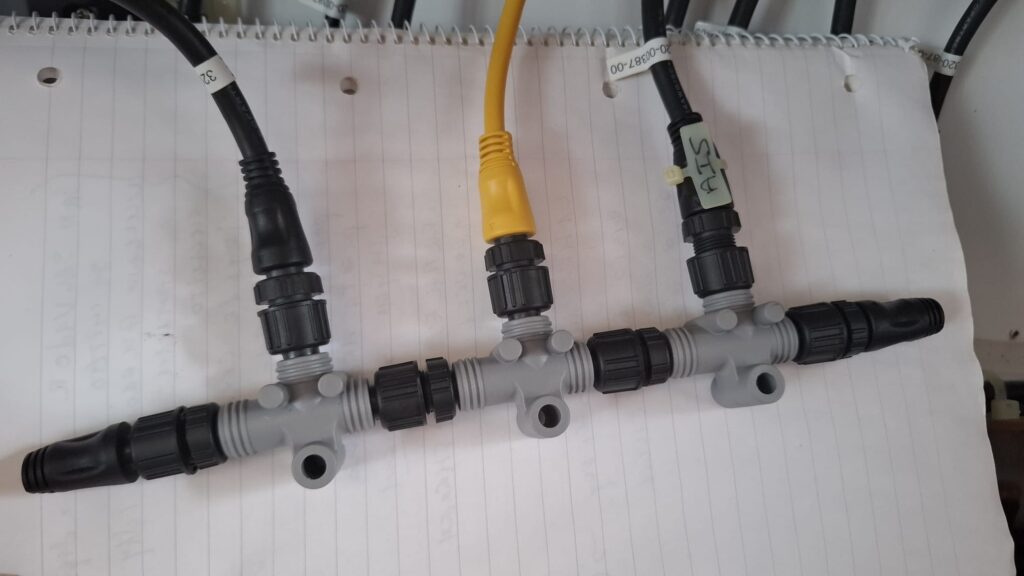
Lets build a new mini network, with only the plotter, the power supply and one instrument. Yes it works, so the plotter is not broken.
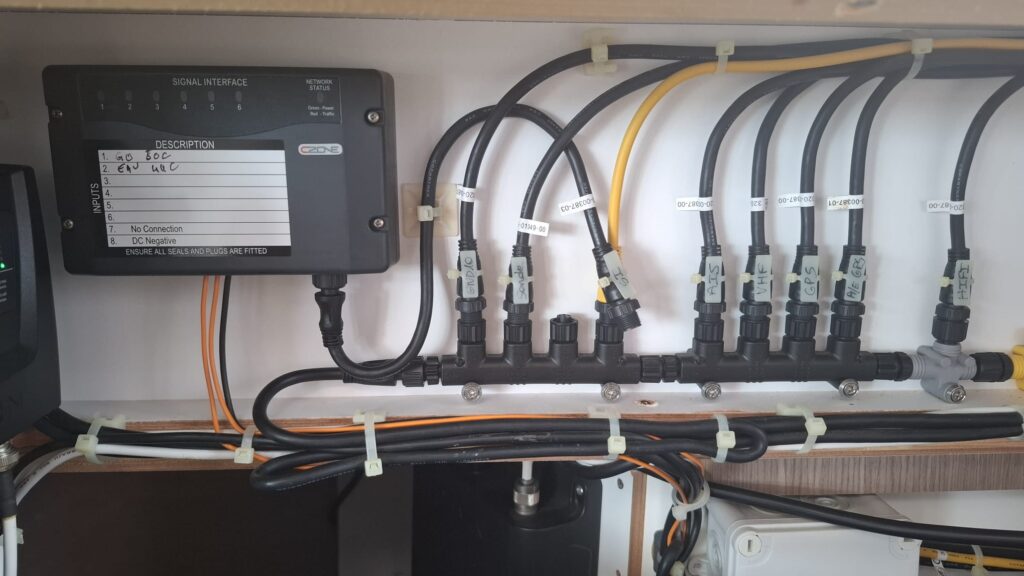
Now lets connect the devices one by one until the culprit is found. As soon as we connect the black box in the picture the network goes down. This (CZone) signal interface translates analog signals of the watertank level and dieseltanklevel to the network. Conclusion: The CZone signal interface needs to be replaced
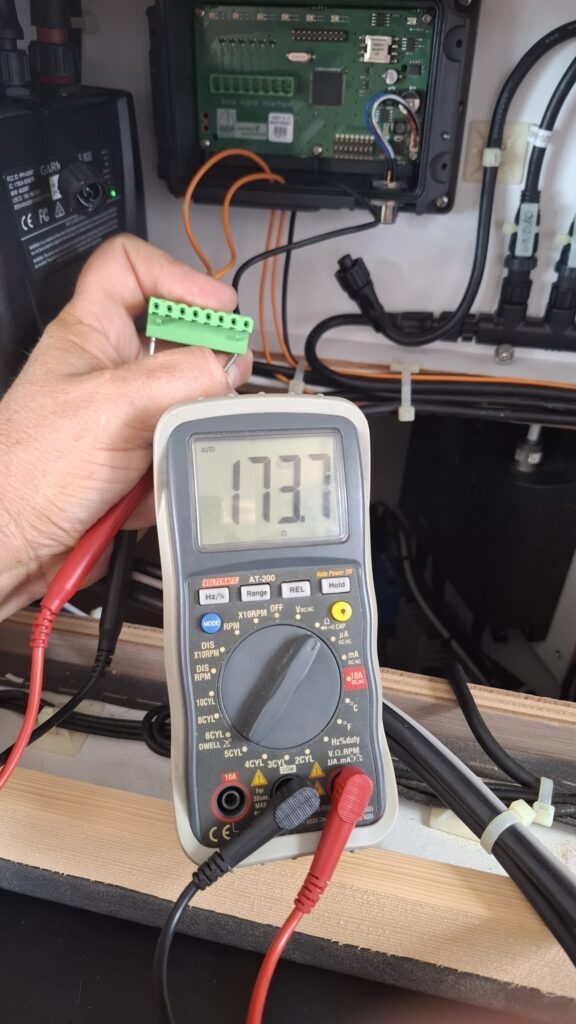
We open the box and measure if the water and diesel sensors themselves are still working by measuring their resistance. Fortunately they are within the normal range of 0 to 180 ohm (as you can see with 173.7 the diesel tank is almost full).
Now the network is working with all but one device we can compare the known devices (all devices that ever were connected) with the actual connected devices. Only 14 of the 23 are connected. Missing is the winddata, and all 12 volt electronics.
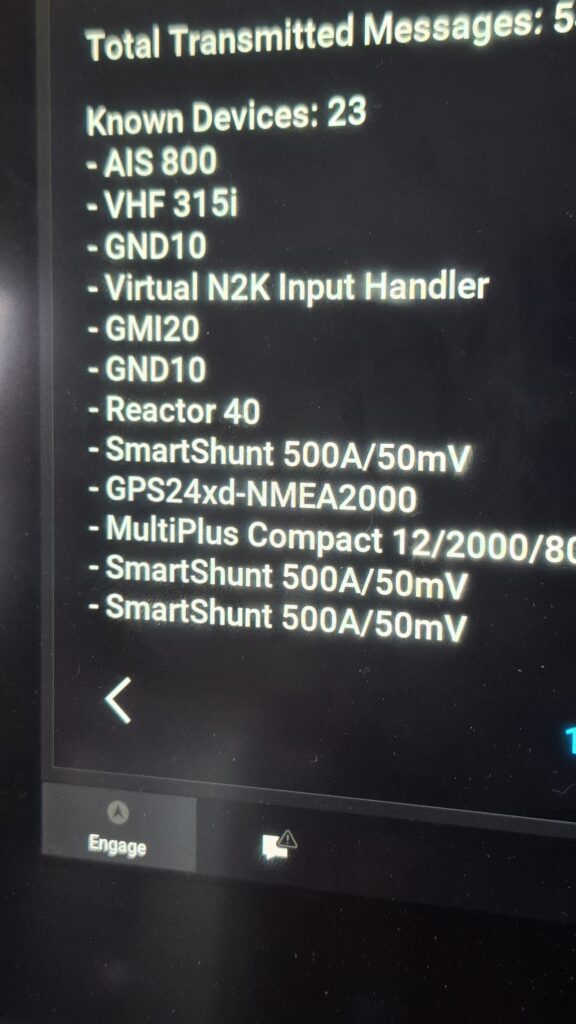
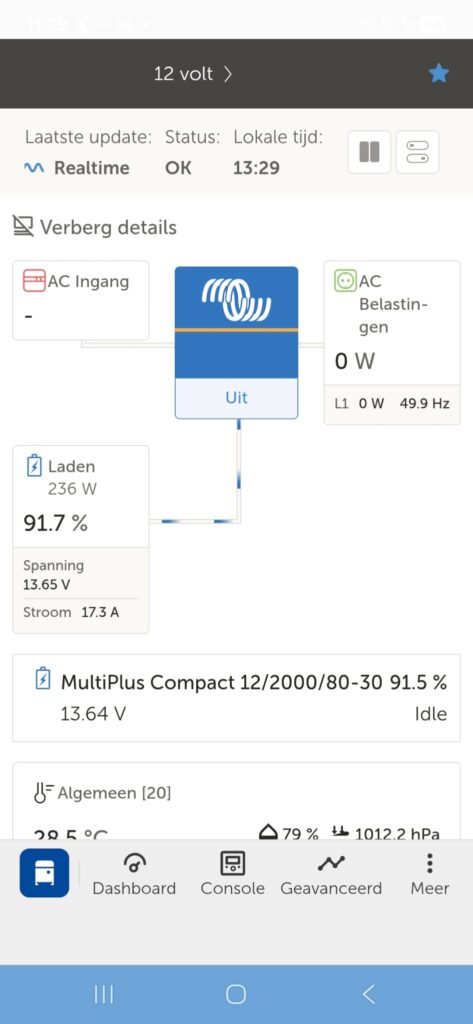
But we can see that all 12 volt systems are working, so lets restart the 12 volt system. Yes that solves that problem. Now only the winddata is missing.
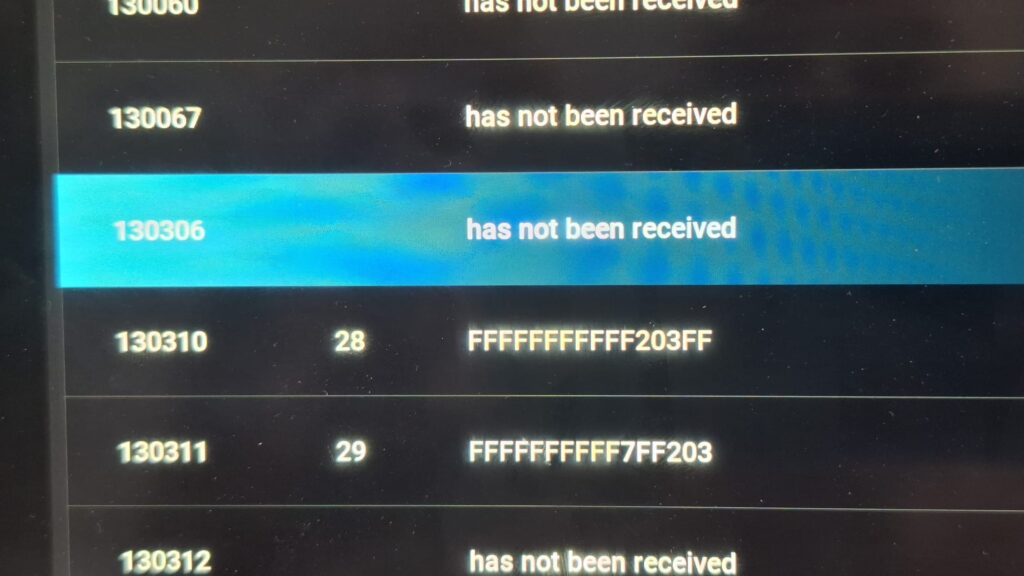
On the NMEA network, all instruments have their own address (PGN). For the wind instrument this is 130306. There is no data coming in.
The wind instruments consist of (again) a black box (GND 10), which translates the signals from windspeed and wind direction meters in the mast into NMEA messages. In this short clip you can see that the NMEA light is blinking green (=OK), but not the light from the meters. This means that this box is broken as it does not receive signals, or the windmeter itself is broken, or both,
The last check were on the cable in the mast itself (checking the resistance between the cables as a strong current can melt these cable together (cables OK) , measuring the voltage on the GND 10 to the windmeter (to power the windmeter: OK), and to check the power on the plug itself (not OK). So the wind instruments themselves also need to be replaced.
The total costs will stay under our own risk of the insurer, so no use sending it to them (fortunately or unfortunately, depending how you look at it).
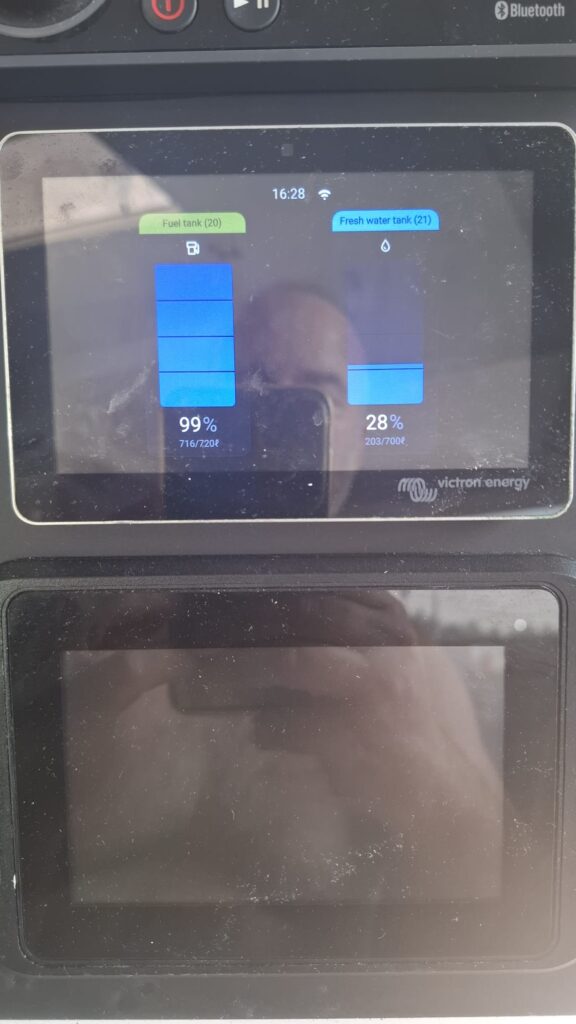
One workaround is connecting the water and diesel meter to another device that can read and display analog signals, the victron Cerbo. That means we don’t have to replace the signal interface.
We will now go to the Netherlands and buy the items.
Toch wel een echte ingenieur die Jos ! 👍
Is het te zien? 😀 lekker nerdy hè.